Mandi is a Yemeni dish of spiced meat and fragrant rice, traditionally slow-cooked in an underground pit so the rice absorbs the smoke and drippings. This home version gets close with a yogurt-and-hawaij marinade, a hot oven roast, and rice cooked in seasoned broth.
It works well for guests: the chicken roasts while the rice cooks, and everything is served on one big platter. Mandi is a close relative of kabsa, with its own spice blend.
Chicken mandi is a Yemeni dish of spiced chicken and fragrant rice, traditionally cooked in an underground pit so the rice absorbs the smoke and drippings. This home version gets close with a yogurt-and-hawaij marinade, a hot oven roast, and rice cooked in seasoned broth.

It works well for guests: the chicken roasts while the rice cooks, and everything is served on one big platter. Mandi is a close relative of kabsa, with its own spice blend.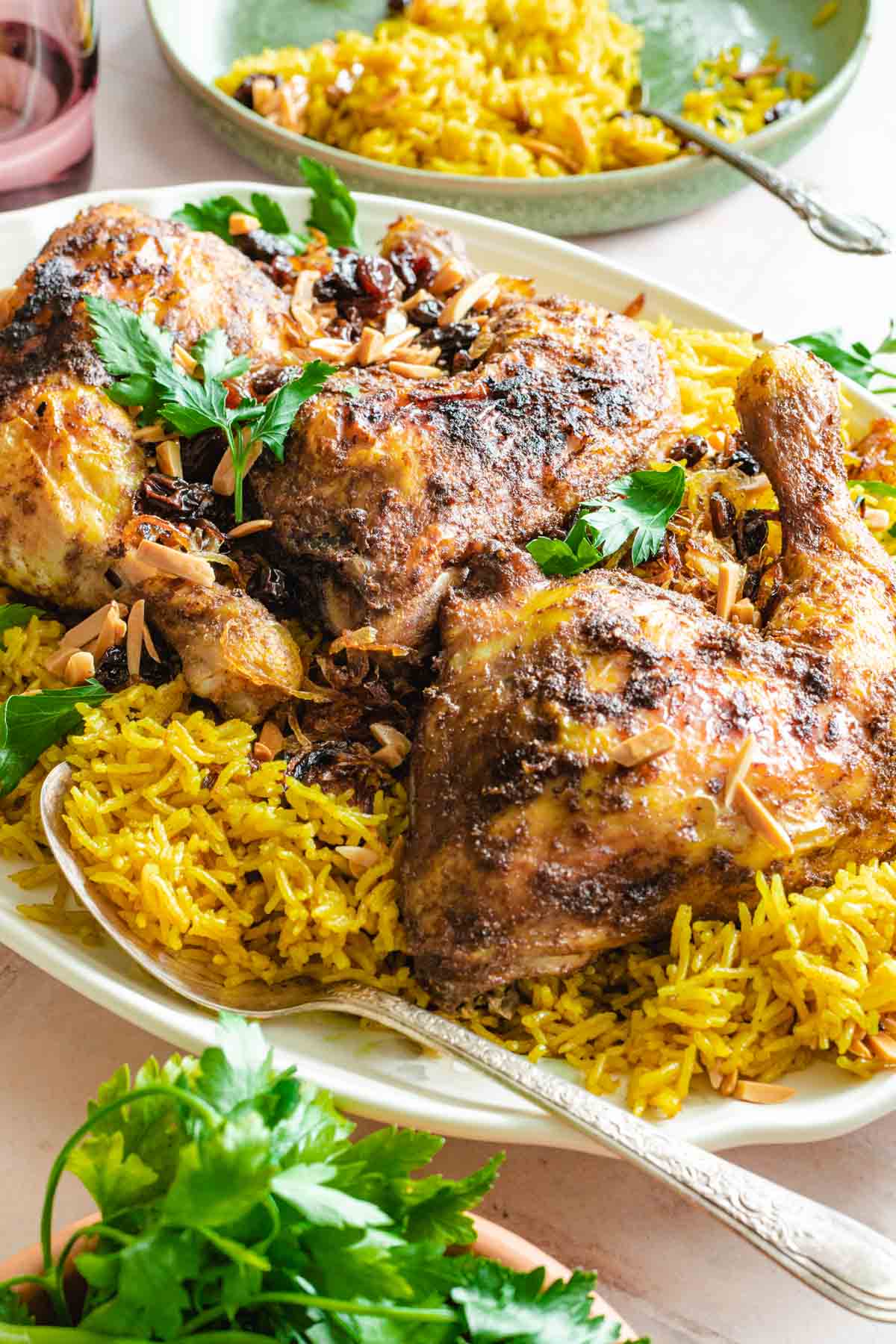
Chicken Mandi
Ingredients
Equipment
Method
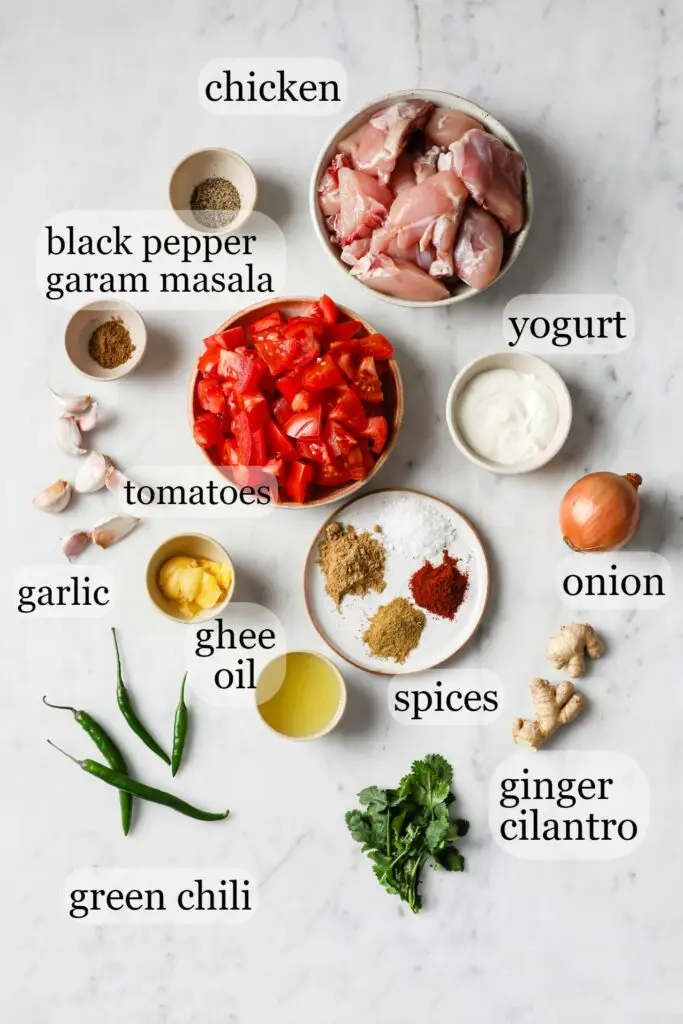
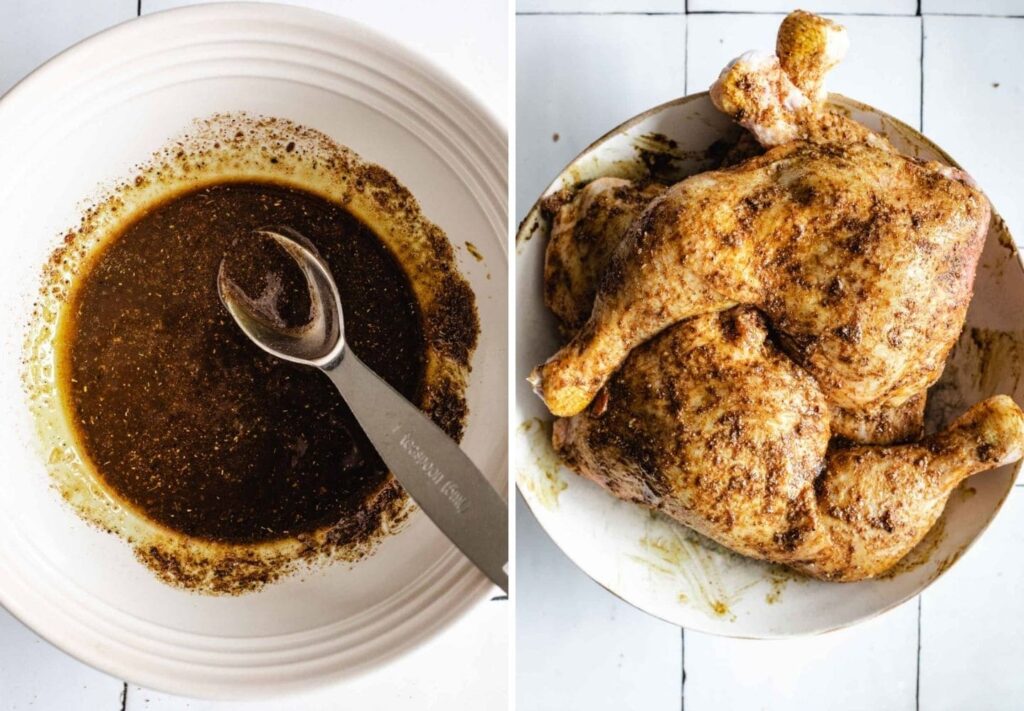
- Mix the chicken with the hawaij, yogurt, oil, and salt. Cover and refrigerate for at least 30 minutes, or overnight.
- Heat the oven to 425°F. Arrange the chicken on a rack set over a sheet pan. Roast 35 to 40 minutes, until deep golden and cooked through (about 175°F).
- While the chicken roasts, heat the oil in a pot over medium heat. Cook the onion for 5 minutes until soft, then stir in the tomato paste for 1 minute.
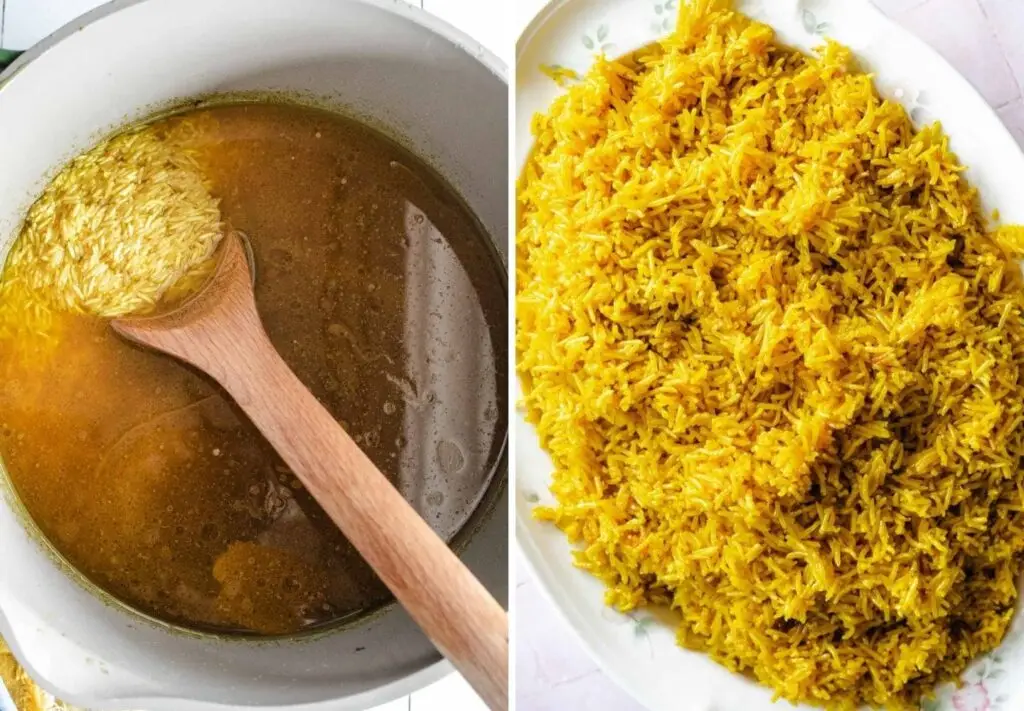
- Add the rinsed rice and stir for 1 minute to coat. Add the broth and salt and bring to a boil. Reduce to the lowest heat, cover tightly, and cook 18 minutes without lifting the lid. Rest, covered, for 5 minutes.
- Fluff the rice and fold in the raisins. Heap it on a platter, set the chicken on top, and scatter with toasted almonds.
Notes
- Hawaij substitute (for 2 tbsp): 2 tsp cumin, 2 tsp coriander, 1 tsp ground cardamom, 1 tsp black pepper, 1/2 tsp ground cloves, 1/2 tsp turmeric.
- Marinate overnight if you can. It deepens the flavor.
- A rack lets the chicken crisp on all sides instead of sitting in its juices.
- Basmati keeps its grains separate and fluffy.
- Lamb is traditional. It needs a longer, lower roast.
- Leftovers keep 3 days in the fridge.
What makes chicken mandi special
Three steps give chicken mandi its character. The yogurt in the marinade tenderizes the meat while the hawaij blend, with its cumin, cardamom, pepper, and turmeric, seasons it deeply. Roasting on a wire rack lets the skin crisp on every side instead of steaming in its own juices. Finally, the rice cooks in broth with onion and tomato paste, so every grain tastes like the dish rather than plain rice served underneath. Rinse the basmati until the water runs mostly clear and keep the lid on while it cooks for fluffy, separate grains.
Spices and pantry finds
This post contains affiliate links. If you shop through them, I may earn a small commission at no extra cost to you.
Hawaij is the defining spice, and a Middle Eastern grocery or specialty spice seller is the best place to find it. If you cannot, the substitute in the recipe notes gets close. Basmati rice, raisins, and slivered almonds are easy to keep on hand. A sheet pan with a wire rack and an instant-read thermometer make the roast simple to get right. You’ll find spices, rice, and halal grocery sources on my Pantry Passport list on Benable, and the rack and thermometer on my Little Kitchen Joys list.
What to serve with chicken mandi
Serve chicken mandi on a large platter with a fresh tomato and cucumber salad, lemon wedges, and a spicy tomato relish if you like heat. If you enjoy one-pot rice dishes, the Nigerian jollof rice and the halal cart chicken and rice are good companions on the same table. Craving it from a restaurant instead? Houston’s Kabsah Restaurant, known for mandi and kabsa, is listed in our halal restaurant directory.
More recipes to try
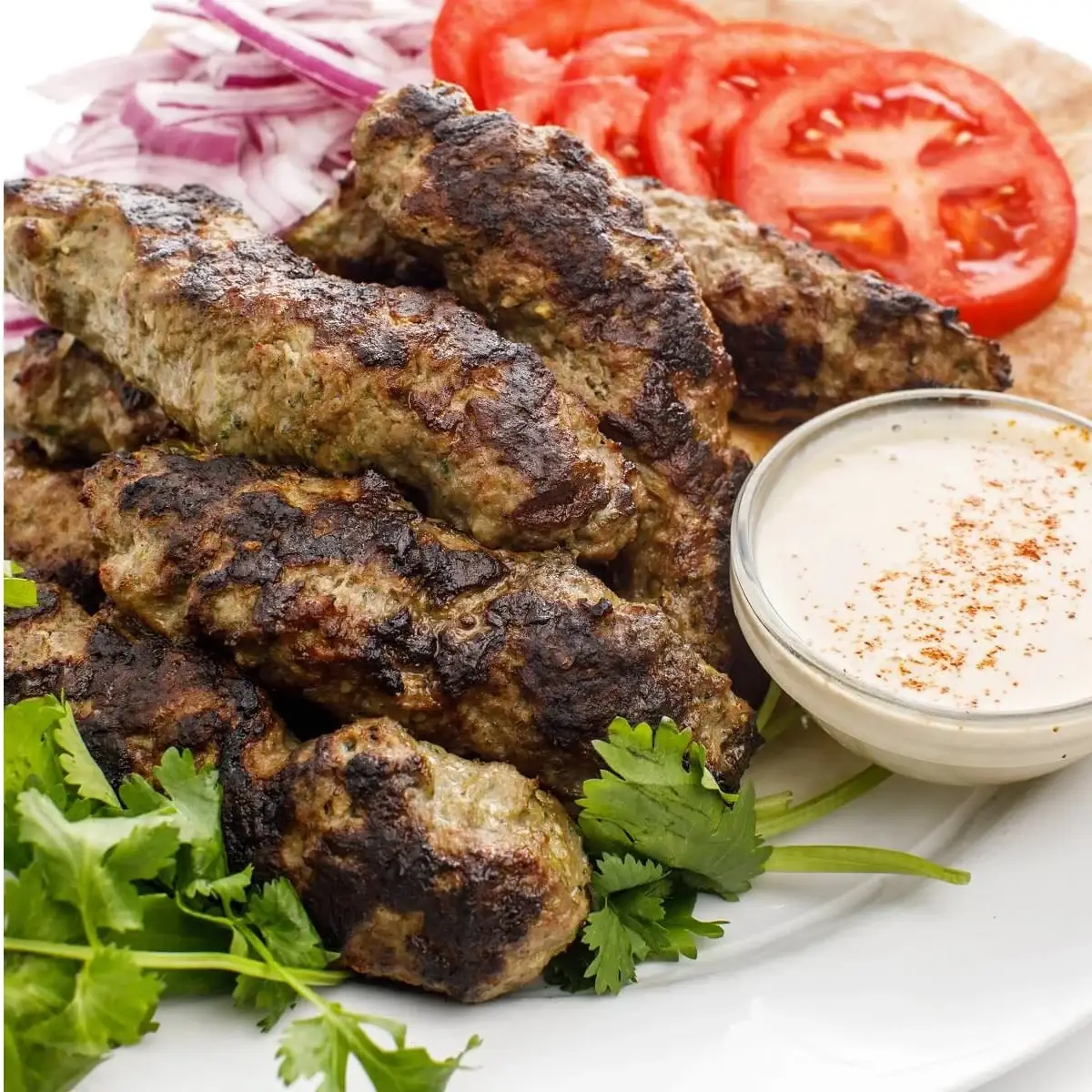
- Suya skewers: spicy Nigerian grilled beef
- Crispy chicken shawarma wraps: with red sauce and toum
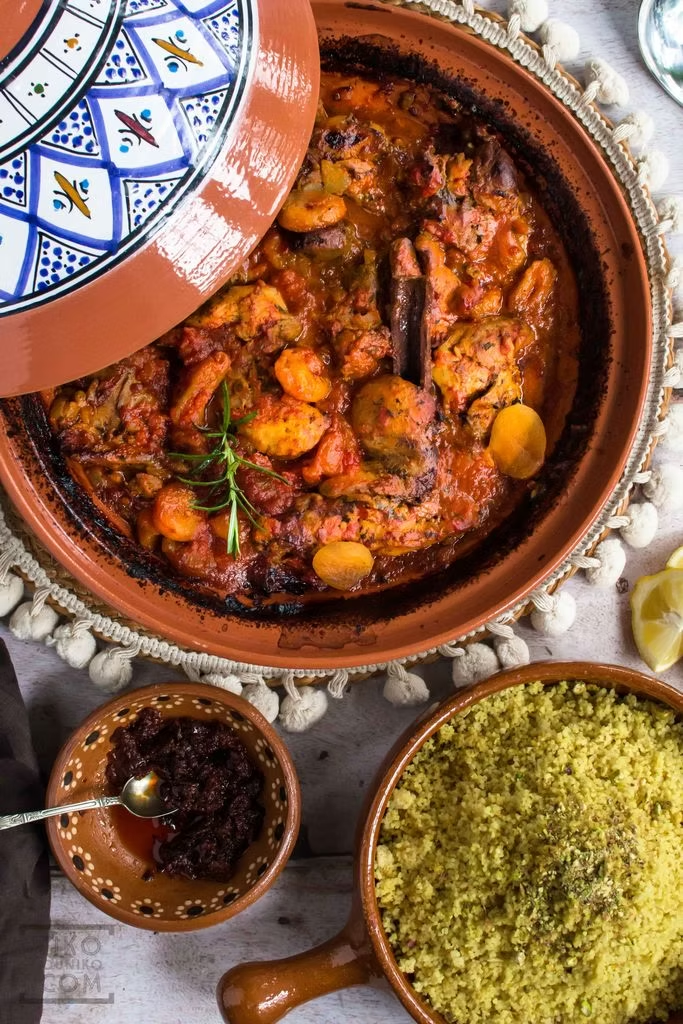
- Moroccan chicken tagine: sweet and savory chicken with apricots
Frequently Asked Questions
What is the difference between mandi and kabsa? They are related Arabian Peninsula rice dishes. Mandi is Yemeni and traditionally smoke-cooked, and kabsa is usually associated with Saudi Arabia and uses a different spice profile.
Can I use lamb instead of chicken? Yes, which is the traditional choice. Roast it longer at a lower temperature until tender.
What if I can’t find hawaij? Use the substitute in the notes, or look for it at a Middle Eastern grocery.